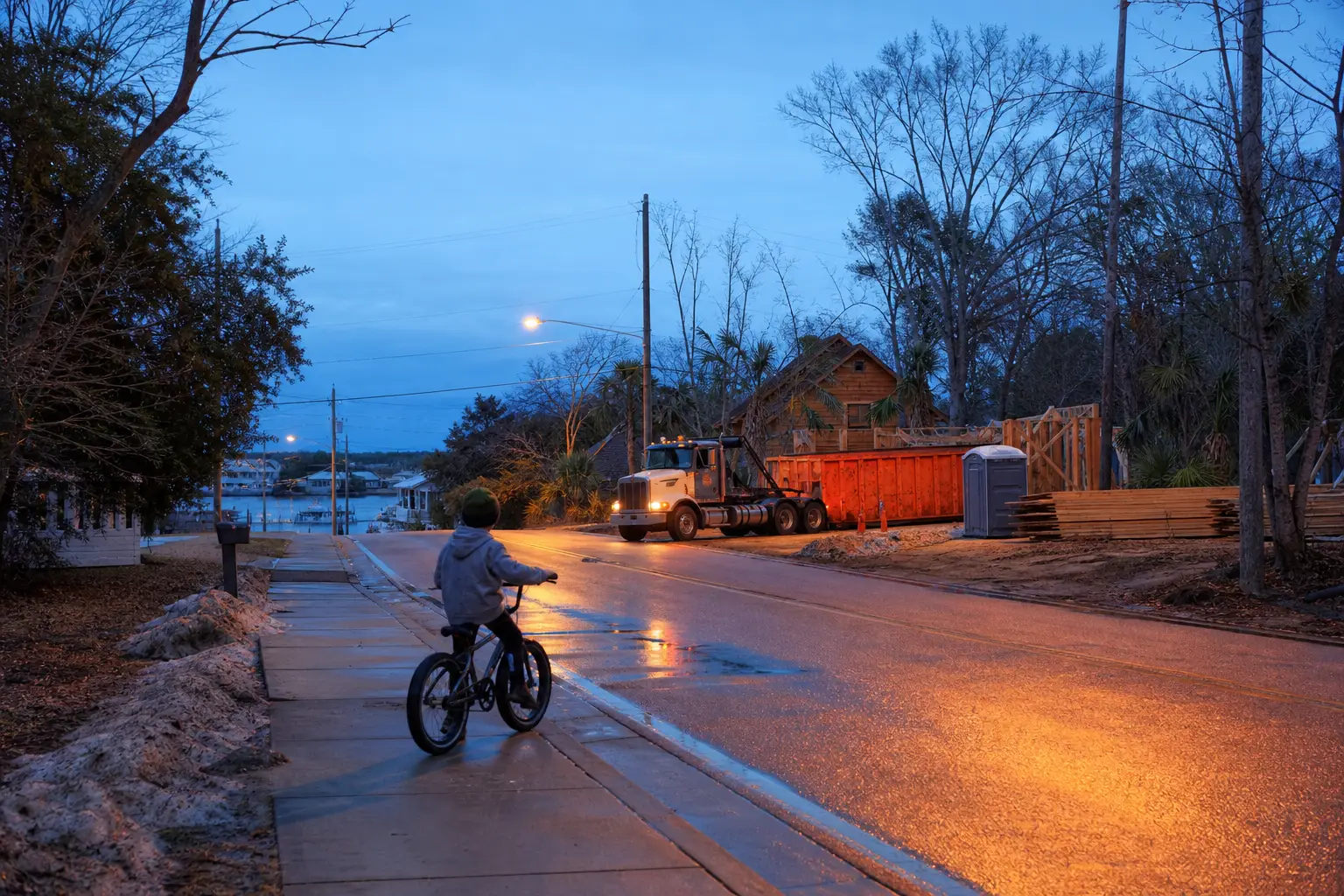
- 4186 + containers delivered
- Serving Hillsborough County
Common project types
Safety Harbor dumpster rentals fit local projects
These container choices cover the work most often seen around Safety Harbor homes, shops, and renovation properties. Material and access still determine the final recommendation.
Household Cleanout Dumpsters
For Safety Harbor move-outs, estate work, and household sorting, a container keeps bagged debris and discarded furnishings together without blocking a narrow downtown approach.
Home cleanoutsGarage and Attic Cleanouts
Older Safety Harbor homes often have crowded garages, sheds, or attics. A properly placed container gives you a controlled loading area while protecting the driveway from avoidable traffic.
Stored belongingsMoving and Relocation Dumpsters
Relocations near downtown Safety Harbor or waterfront neighborhoods can create mixed household debris quickly. The container should sit where movers can load safely without narrowing the access route.
Move-out debrisYard Waste Dumpsters
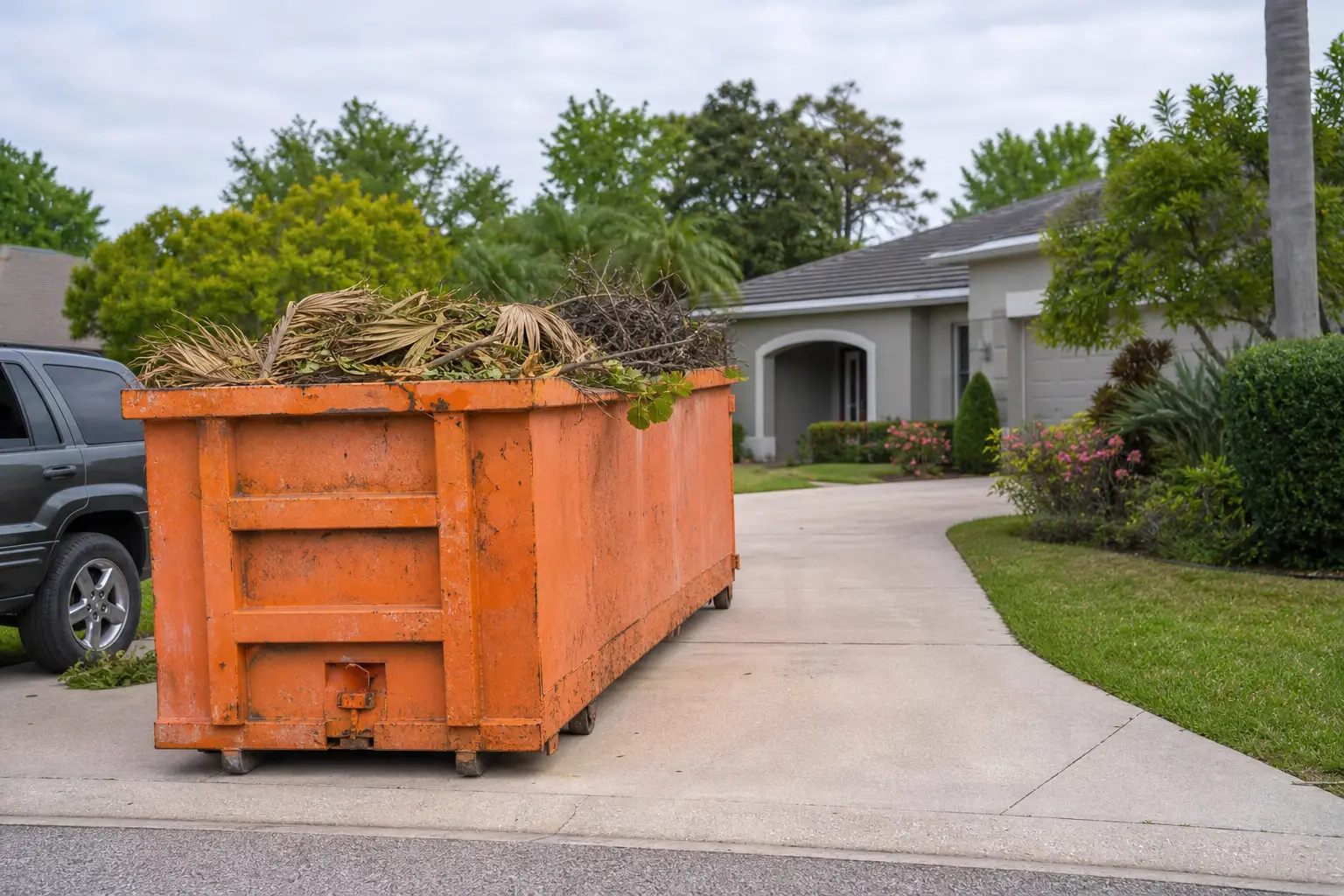
Storm cleanup and landscape work in Safety Harbor may involve branches, palm fronds, and sod. Keep yard material separated from restricted debris and choose a firm placement area.
Landscape cleanupSame-Day Dumpster Delivery
Urgent cleanup needs around Safety Harbor may be possible when equipment and routing allow, but narrow streets, weather, and placement conditions must be checked first.
Urgent schedulingHome Renovation Dumpsters
Bathroom, kitchen, and flooring projects in Safety Harbor homes produce steady debris. A container near the work area reduces repeated trips while preserving driveway and street access.
Remodel debris
Access and placement
Where a Safety Harbor container can sit safely
The safest location is usually a firm, paved area on private property with a straight approach and enough clearance for the delivery truck to align. In Safety Harbor, that may mean a driveway beside an older home, a side access lane, or a lot serving a downtown business. Waterfront properties deserve extra care because soft shoulders, drainage paths, and storm runoff can make grass or low ground unreliable. Keep vehicles, boats, trailers, landscaping features, and overhead branches out of the proposed path. A container on a public street usually needs town permission first. Describe the exact location, surface, slope, and nearby obstructions so the placement can be reviewed before routing.
The truck needs more than an empty rectangle. It needs a usable approach from the street, turning room where the road allows it, and clear overhead space for the container during loading and retrieval. Narrow downtown streets can be difficult if cars are parked along both sides, and older residential drives may have gates, low branches, retaining edges, or tight turns. Do not assume a location works because a pickup truck can reach it. Mark the area, move personal vehicles, and keep the access lane open. If rain is forecast, mention soft ground or standing water near the property so a firmer alternative can be considered.
Local placement details
What to expect from Dumpster Rental Safety Harbor, FL
Dumpster Rental Safety Harbor, FL at a glance
Safety Harbor combines older homes, waterfront properties, established neighborhoods, and a compact downtown street pattern. That changes how a container gets placed. A driveway may be short, sloped, or bordered by mature landscaping, while a narrow street can leave little room for the delivery truck to line up. Madison Dumpster Rental checks the proposed sitting area before dispatch and confirms the delivery and pickup windows before placement. Tell us if the property is near the water, downtown, or a busy commercial corridor so access and surface conditions can be considered together.
Waterfront exposure makes weather a practical concern rather than a footnote. Heavy rain can soften unpaved shoulders and low sections near the shoreline, while summer storms can move loose material or leave standing water around a container. A paved driveway is usually the simpler choice, but it still needs enough width and overhead clearance for the truck and container. If the only usable area is a side yard, grass strip, or public street, describe it before scheduling so the placement plan does not rely on an assumption.
Tampa is the dispatch base for this service, but the job is planned around the actual Safety Harbor address. Older residential streets, downtown businesses, and homes near Philippe Park can present very different access problems. The crew needs a firm approach, a clear set-down area, and room to retrieve the container without striking trees, walls, parked vehicles, or utility lines. The schedule is confirmed before the container is placed, so the delivery plan and pickup expectations are clear from the start.
Before delivery
Prepare your Safety Harbor property for placement
- Move vehicles, boats, trailers, and furniture away from the planned Safety Harbor driveway placement area.
- Check overhead branches, utility lines, gates, and roof edges along the truck’s approach.
- Tell us if waterfront ground, grass, or a drainage edge becomes soft after rain.
- Keep appliances, flooring, roofing, and household debris separated from materials with special handling requirements.
- Reserve a clear loading path when downtown parking or narrow streets could restrict truck access.
Questions before scheduling
Dumpster rental questions from Safety Harbor customers
What size dumpster works for a Safety Harbor home cleanout?
A 10-yard container often suits a small cleanout, while a 15-yard or 20-yard option handles more household debris from a move or renovation. Larger remodels may need more capacity. In Safety Harbor, driveway length and downtown access can matter as much as volume. List the rooms, materials, and proposed placement area before scheduling.
Can a dumpster go on a narrow downtown Safety Harbor street?
It may be possible, but a public-street placement usually needs town permission and must leave a workable path for traffic. The truck also needs room to approach and set the container down without parked cars or overhead obstructions. Provide the street location, nearby parking conditions, and preferred dates so the access plan can be reviewed first.
Can you place a container near a waterfront Safety Harbor property?
A waterfront location can work when the container sits on firm ground with a safe truck approach and no conflict with drainage or shoreline conditions. Wet soil and storm runoff can make grass or low shoulders unsuitable. Identify the paved areas, slope, surface, and distance from the water, then clear vehicles and landscaping from the delivery path.
What can I put in a Safety Harbor dumpster rental?
Common household, renovation, roofing, and yard debris may be accepted, but materials such as chemicals, liquids, fuel, batteries, and other restricted items require separate guidance. Safety Harbor projects also need attention to storm-damaged vegetation and heavy materials. Describe everything you plan to load, especially concrete, soil, roofing material, or appliances, before delivery.
How far in advance should I schedule a dumpster in Safety Harbor?
Schedule as soon as the project dates and placement area are known because equipment, routing, weather, and access all affect availability. Madison Dumpster Rental is available 24/7, Monday to Sunday, but availability does not guarantee an immediate arrival. Have the address, material list, container size, desired placement, and pickup timing ready when you call.
Plan the container around your Safety Harbor address
Tell Madison Dumpster Rental what you are removing, where the container should sit, and when pickup is needed. Have the address, access details, material list, and any street-placement concerns ready when you call.
Click Here to Call(689) 946-5044Local routes
Serving Safety Harbor streets and nearby corridors
Madison Dumpster Rental serves projects throughout Safety Harbor, including established residential areas, waterfront homes, downtown streets, and commercial properties along the town’s main corridors. The truck route is planned from Tampa around the actual address, surface conditions, and access restrictions. Share the nearest cross street, property type, and intended placement area so the delivery plan reflects the location rather than a generic route.